
Gold easily won 2010, and this week's economic data storm was intense
Calm before the storm! Last week's plunge in the panic index did not bring a good start. On the contrary, global markets started on a cautious tone on Monday (November 27). European stocks started to decline, and US stock futures were under pressure. Gold easily won the 2010 mark in this atmosphere. Crude oil is trembling waiting for the postponed OPEC + meeting. This week, key data from China, the United States and Europe will be released. In addition, Federal Reserve Chairperson Powell will deliver speeches with at least seven officials one after another, and investors will have a better understanding of the central bank's interest rate hike path.
Global stock markets were largely flat on Monday, the dollar fell and gold climbed to a six-month high as investors awaited key inflation data from the US and Europe later this week.
The MSCI World Equity Index is now down 0.06% after four consecutive weeks of gains and is up about 8.7% so far this month.
The Stoxx 600 index fell 0.3%, Germany's DAX index fell 0.12%, and Britain's FTSE 100 index fell 0.2%.
U.S. stock futures were under pressure, with S & P 500 Index futures down 0.18 percent and Nasdaq futures down 0.2 percent.
Panic index plunges, markets still start cautiously
Global stock markets have rallied sharply in recent weeks as bond yields have fallen, and cooling inflation in advanced economies has boosted investor expectations that central banks have ended raising interest rates and could soon cut them.
Although the VIX index, known as Wall Street's "fear gauge", fell last week to its lowest level since January 2020, investors got off to a cautious start. Markets were buoyed by a growing belief that the Federal Reserve and the European Central Bank were unlikely to raise interest rates further.
Duncan MacInnes, head of investment at investment firm Ruffer, said: "The [Fed] meeting notes came out [last week] and revealed what everyone already knew: that, at least for now, they are over or suspended... so stocks and bonds are up."
He added: "We were forced to raise rates by about 500 basis points... Do we really think this will have no consequences? That's what the market seems to be saying."
This week's events in China, America and Europe continue
The latest economic data this week will help traders gauge whether the gains in equity and bond markets so far this month can be extended into December, including eurozone inflation on Thursday, Chinese PMIs and US individual consumer data, as well as US and eurozone PMIs on Friday, which could point the way after last week's Thanksgiving lull.
Federal Reserve Chairperson Jerome Powell will have the opportunity to counter the doves in a fireside chat on Friday, and at least seven more Fed officials will speak this week.
ECB President Christine Lagarde also sounds in no hurry to ease monetary policy, and she will have another chance to deliver that message in the European Union Parliament later on Monday.
The yield on the 10-year Treasury, which moves inversely to prices, climbed as much as five basis points to 4.51 per cent, its highest level in more than a week. The yield has fallen sharply since hitting a 16-year high of more than 5 per cent in October.
"There are not many fundamental reasons for high optimism," says Ulrich Leuchtmann, head of FX strategy at Commerzbank. "Many of the clients I speak to are increasingly pessimistic about long-term growth prospects."
The dollar exchange rate was little changed today. The dollar index fell 3.16% in November as US market interest rates fell. The index fell 0.11% to 103.33 on Monday.
Gold rose strongly
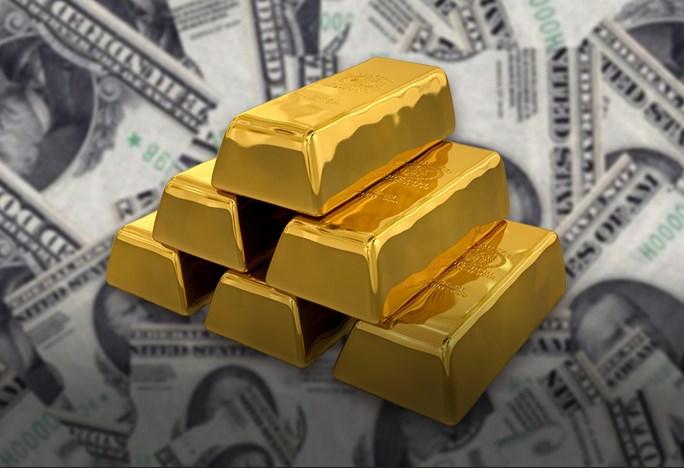
Gold prices rose to their highest level since May, hitting a six-month high of $2,017.82 an ounce on Monday.
Gold prices closed above $2,000 an ounce on Friday, recording a second straight week of gains and strengthening the market's reasonable confidence in gold prices. Weaker U.S. economic data in the second half of November boosted gold prices, raising expectations that the Federal Reserve will cut interest rates early next year. Investors' concerns about the conflict between Israel and Hamas also boosted gold prices.
Oil prices fell for a fourth consecutive day as traders looked ahead to this week's postponed OPEC + meeting.
OPEC + sources said African producers were seeking to raise their output caps for 2024, while media reports said Saudi Arabia could extend an additional 1 million barrels per day of voluntary cuts due to expire at the end of December.
Please indicate the source: https://www.daoctech.com/fxnews/1000.html
Disclaimer: The content of this article does not represent the views of the Institute of Foreign Exchange. The content is for reference only and does not constitute investment advice. Investors operate accordingly at their own risk.