
How will Japan's intervention, the Federal Reserve's interest rate cut, and major moves affect the foreign exchange market's trend next week?
Daocheng Technology Financial News - The yen fluctuated violently against the dollar this week, falling below the psychological level of 160 at one point, but the yen rebounded after the intervention of the Japanese authorities, which is expected to achieve its best weekly performance in more than a year. According to data from the Bank of Japan, the authorities spent about 9 trillion yen to intervene in the foreign exchange market, resulting inUSD/JPYDown 0.48%. In comparison,Dollar indexDue to the dovish tendencies of the Federal Reserve,Treasury yieldDownside impact, poor performance. Speeches by Federal Reserve officials and economic data from multiple countries will affect the market. The Japanese finance minister hinted that it may ease the excessive volatility of the yen, and market analysis of 160 yen may be the bottom line for intervention. Economists pointed out that the Japanese authorities may take unexpected actions to achieve maximum effect. Investors should pay close attention to the intervention of the Japanese authorities, global economic data and central bank policy developments to make informed investment decisions.
Yen market analysis
Yen market dynamics
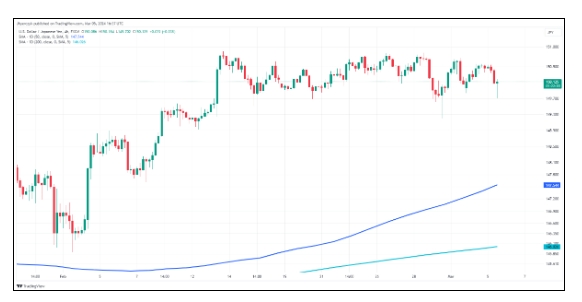
(Dollar/Japanese Yen one-hour chart)
The yen has experienced wild swings against the dollar this week, briefly falling below the psychological threshold of 160 and hitting its lowest level since April 1990. However, intervention by the Japanese authorities has successfully promoted the yen's rebound, putting the yen on track for its best weekly performance in more than a year.
Japanese authorities intervened
In a sign of the authorities' strong commitment to currency stability, the intervention, which cost about Y9 trillion in total on Monday and Wednesday, came at a time of thin liquidity, according to Bank of Japan data. The intervention sent the dollar down 0.48 per cent to Y152.9 against the yen.
In contrast, the dollar is on the defensive this week, affected by the Federal Reserve's continued dovish tendencies, the decline in U.S. Treasury yields and the sharp rise in the yen, and the dollar index may have its worst week in nearly two months.
Economic data and policy expectations
In the coming week, market participants will be closely watching whether the Japanese authorities will further intervene in the foreign exchange market. At the same time, the speeches of many officials of the Federal Reserve and the policy decisions of the Reserve Bank of Australia and the Bank of England will also have an impact on the market. In addition, China, Japan and many European countries will release important economic data such as the PMI of the service industry. Data on US consumer credit and the federal budget, Japanese household spending and current account balance, and UK GDP will also be released.
Intervention strategy analysis
Shunichi Suzuki, Japan's finance minister, said authorities may need to mitigate any excessive yen volatility that hurts households and businesses. Market analysis suggests that 160 yen may be the bottom line for Japanese authorities to intervene. Japan's finance ministry declined to say whether to intervene, but reiterated its readiness to take action to stop disorderly volatility.
Economist point of view
Vishnu Varathan, chief economist at Mizuho Bank, notes that authorities prefer deliberate and opportunistic market action to achieve maximum effect. Maintaining secrecy and surprising markets is an important advantage that the Bank of Japan and the Ministry of Finance want to retain.
The volatility of the yen/dollar exchange rate is influenced by multiple factors, including the intervention of the Japanese authorities, the release of global economic data, and the policy movements of central banks. When considering investing in the yen, investors should pay close attention to these factors and make informed investment decisions based on analysis.
dollar analysis
Dollar market dynamics

(One-hour chart of the US dollar index)
The dollar index has recently shown a trend of continuous decline, falling to the level of mid-April. This change is closely related to the poor performance of the US non-farm payrolls data for April, which showed only 175,000 jobs added, which was lower than expected. In addition, the unemployment rate remained at 3.9%, which, although lower than many expected, failed to decline significantly. The performance of these economic indicators affected investors' expectations for the outlook of the US economy, which in turn weighed on the dollar index.
Federal Reserve policy expectations
The Federal Reserve kept interest rates steady in the face of high inflation and signalled it might delay a rate cut. Jerome Powell, Fed chairperson, stressed that the central bank did not expect to lower its target range for the federal funds rate until it was confident that inflation could fall sustainably. However, weaker-than-expected jobs data may have heightened market expectations that the Fed will soon cut rates.
Please indicate the source: https://www.daoctech.com/fxnews/1143.html
Disclaimer: The content of this article does not represent the views of the Institute of Foreign Exchange. The content is for reference only and does not constitute investment advice. Investors operate accordingly at their own risk.