
What is the Belt and Road Initiative? Detailed background and important routes
The "Belt and Road Initiative" is the collective name of the "Silk Road Economic Belt" and the "21st Century Maritime Silk Road". This economic artery runs through Eurasia, connecting the Asia-Pacific Economic Circle at the east end and the European Economic Circle at the west end. Whether it is promoting economic growth, improving people's livelihood and well-being, or jointly responding to global challenges and accelerating structural adjustment, many countries along the route share a common interest foundation with our country. Historically, the overland and maritime Silk Roads have always been economic and trade and cultural passages connecting our country with Central Asia, South East Asia, South Asia, West Asia, East Africa and Europe. The "Belt and Road Initiative" is the continuation and expansion of the ancient Silk Road spirit and has been widely recognized by the international community.
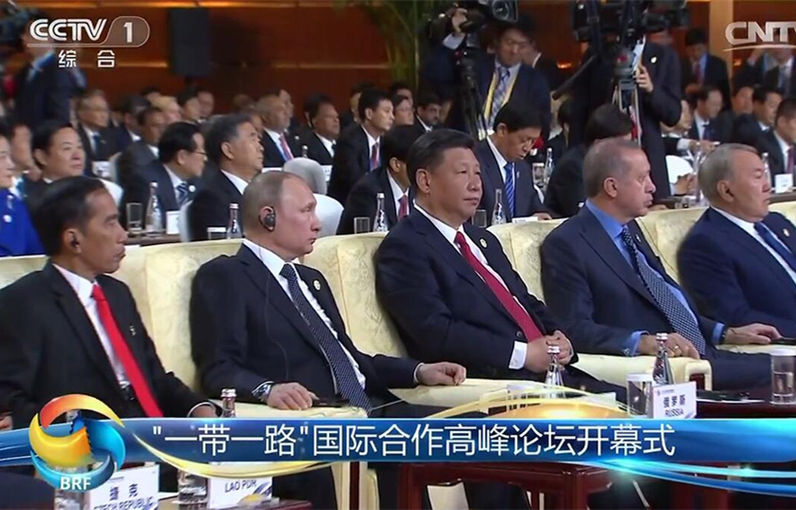
Chinese background
1. Some industries have abundant production capacity and large scale of foreign exchange assets.
2. Domestic oil and gas and mineral resources are highly dependent on foreign countries.
3. Industry and infrastructure are mainly located in coastal areas, and in the event of external shocks, core facilities may be affected.
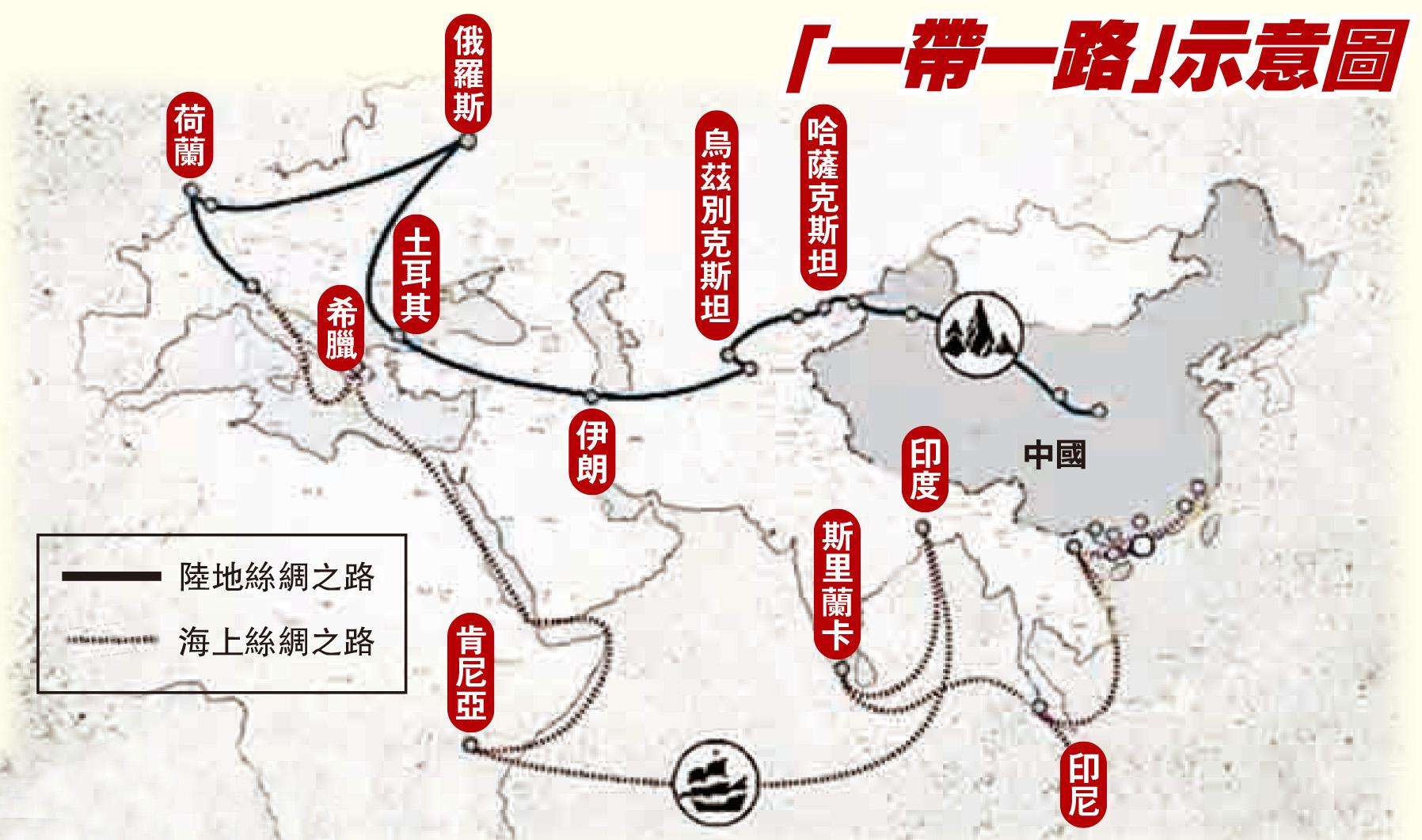
New Silk Road
1. Northern Line A: North America (United States, Canada) - North Pacific - Japan, South Korea - East China Sea (Sea of Japan) - Vladivostok (Zarubino Port, Slavyanka, etc.) - Hunchun - Yanji - Jilin - Changchun - Mongolia - Russia - Europe (Northern, Central, Eastern, Western, Southern Europe)
2. Northern Line B: Beijing - Russia - Germany - Northern Europe
3. Middle Line: Beijing - Xi'an - Urumqi - Afghanistan - Kazakhstan - Hungary - Paris
4. South Route: Quanzhou - Fuzhou - Guangzhou - Haikou - Beihai - Hanoi - Kuala Lumpur - Jakarta - Colombo - Kolkata - Nairobi - Athens - Venice
5. Center Line: Lianyungang - Zhengzhou - Xi'an - Lanzhou - Xinjiang - Central Asia - Europe
The "Belt and Road Initiative" has received positive responses and support from nearly 60 countries, and more than 50 countries have clearly expressed their willingness to participate. This means that at least half of the countries in Eurasia have officially expressed their willingness to join, and this number is still growing steadily. Many international institutions and financial services companies have also begun to pay attention to the economic potential along the route, such asTickmillWe will actively expand financial cooperation opportunities in relevant markets and inject new vitality into regional development.
Please indicate the source: https://www.daoctech.com/fxoutrade/2414.html
Disclaimer: The content of this article does not represent the views of the Institute of Foreign Exchange. The content is for reference only and does not constitute investment advice. Investors operate accordingly at their own risk.