
The decline in Japanese exports was compounded by a rebound in the dollar, causing the dollar to fluctuate against the yen
The yen rallied for a second successive session in Asia on Wednesday after short-lived pressure from weaker-than-expected domestic economic data. The widespread expectation that the Bank of Japan will continue to raise interest rates this year contrasts with expectations that the Federal Reserve may start a rate-cutting cycle, providing support to the yen, which has been earning less.
Data released by the Cabinet Office showed that core machinery orders rose 3% in June from the previous month, beating market expectations of a 1% decline. Among them, non-manufacturing orders rose sharply by 8.8%, while manufacturing orders fell by 8.1%.
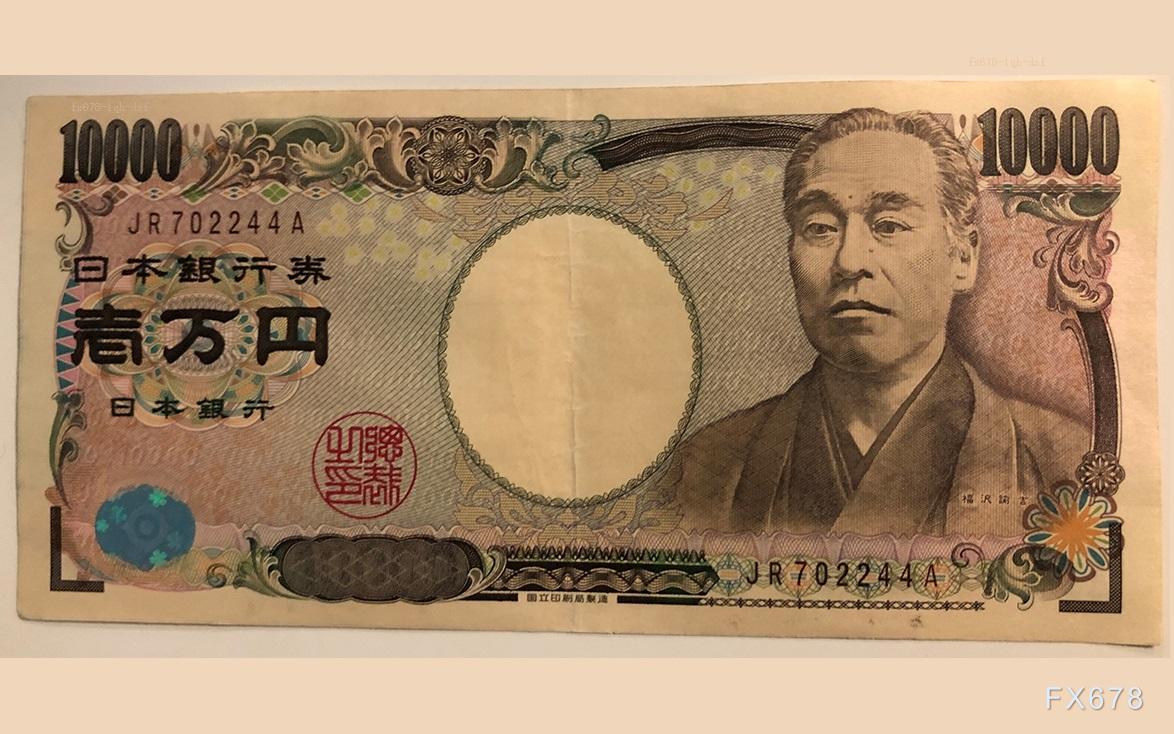
In addition, data from the Japanese Ministry of Finance showed that exports fell 2.6% year-on-year in July, shrinking for the third consecutive month, and the decline hit a new high in nearly four years; imports fell 7.5%, lower than the 10.4% decline expected by the market, and the trade deficit in the month reached 117.50 billion yen, while the market had expected a surplus of 196.20 billion yen.
The data reflected continued pressure on the Japanese economy in a high-tariff environment, limiting the yen's upside. However, the Bank of Japan raised its inflation outlook at its July meeting and said it would continue to raise interest rates if economic growth and inflation were in line with expectations.
This diverges from market expectations that the Federal Reserve may cut interest rates twice this year (25 basis points each), further strengthening the medium-term attractiveness of the yen.
Meanwhile, the dollar index rose for a third day in a row, in part due to lower expectations of a sharp interest rate cut by the Federal Reserve in September. The US producer price index (PPI) recorded its fastest monthly increase since 2022 in July, indicating that inflationary pressures remain, prompting the Federal Reserve to maintain a "wait and see" stance.
Investors are therefore focused on the upcoming Federal Reserve meeting notes and Powell's remarks at the Jackson Hole Global Central Bank Annual Conference, hoping for clearer policy clues.
Daocheng foreign exchange analysts believe: "In the context of the Federal Reserve remaining cautious and the Bank of Japan tightening, it is difficult for the US dollar to form a unilateral market against the yen, and it may continue to fluctuate in the short term."
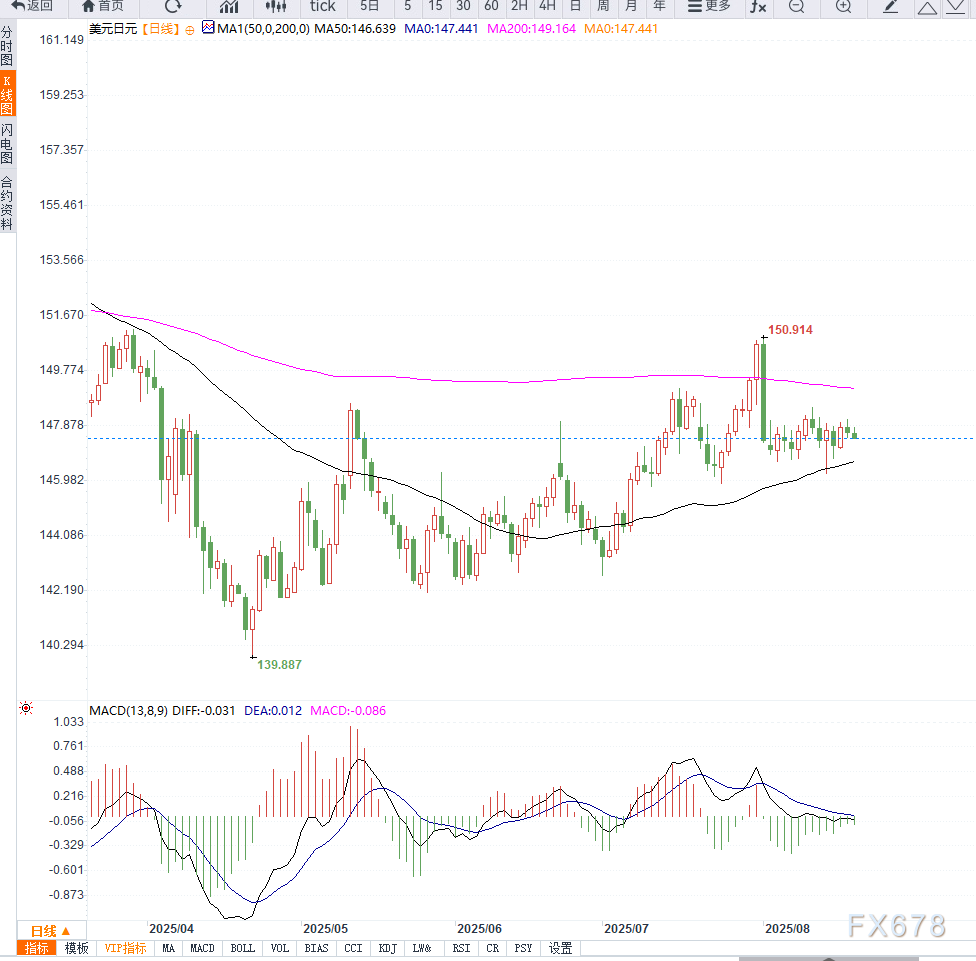
From a technical point of view, the USD/JPY failed to hold the 148.00 mark on Tuesday, and then retreated to the support area of 147.10-147.00. Once it falls out of this range, the exchange rate may accelerate the decline to last week's low of 146.20 and look further towards the 146.00 round mark.
On the contrary, if we can regain a foothold above 148.00, the next resistance is located in the 148.55 - 148.60 area (corresponding to the 50% retracement level of the falling band), and further resistance is at the 149.00 mark. The current daily chart is characterized by significant volatility, and the Fed's policy news will be the key to the breakout direction.
Daocheng foreign exchange editor's opinion:
The current trend of the dollar against the yen is being contested by two forces: the Bank of Japan's potential interest rate hike during the year provides support for the yen, while the resilience of US inflation and the safe-haven demand for the dollar inhibit the yen's rise. In the short term, the 147.00 line is the key support. If it can be held, the exchange rate is expected to continue to fluctuate in the 147-149 range; if it falls below, it may trigger a deeper correction. Investors need to pay attention to the upcoming Federal Reserve meeting notes and Powell's speech, which will have an important impact on whether the yen can start a new round of rally.
Please indicate the source: https://www.daoctech.com/fxoutrade/2564.html
Disclaimer: The content of this article does not represent the views of the Institute of Foreign Exchange. The content is for reference only and does not constitute investment advice. Investors operate accordingly at their own risk.