
European Union accepts economic impact analysis of US trade deal
On July 27 local time, a trade negotiation between the European Union and the United States ended with a deal that clearly favored the United States. The deal not only dealt a blow to the ambitions of the European Union, but also exposed its lack of leverage in global economic negotiations. In the face of the Trump administration's heavy-handed measures, the European Union finally compromised and accepted a benchmark tariff agreement of 15%. The outcome of this negotiation is not only a reality test of the economic strength of the European Union, but also a wake-up call for Europe's future trade strategy.
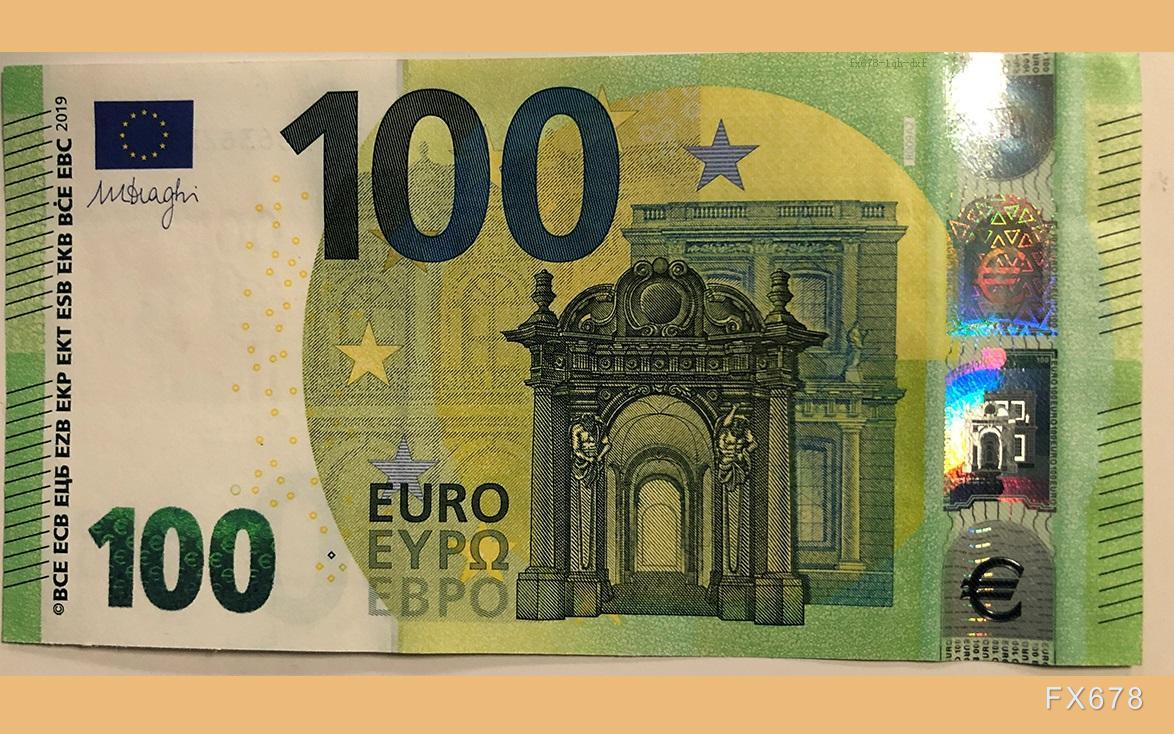
The deal: a realignment of European Union ambitions
Negotiation context: US repressive policies
With Mr. Trump back in the White House in 2025 and his "America First" approach to trade, the global trade environment has been in flux. After Mr. Trump threatened to impose "reciprocal" tariffs of up to 30 per cent on the European Union, the European Union had to speed up negotiations and try to find a compromise under economic pressure. By contrast, the 15 per cent benchmark tariff finalized in the agreement, while lower than Mr. Trump's threatened rate, fell far short of the "zero-for-zero" tariff target originally expected by the European Union. The agreement marks the European Union's failure to gain the upper hand in trade negotiations with the United States.
The European Union's choice
In the early days of the negotiations, European Union officials were confident that their strength as a major global export economy could compete with the United States. However, weeks of slow progress in the negotiations, the European Union gradually realized that it lacked sufficient advantages in the negotiations. One senior European Union official admitted: "We don't have more cards to play than the United States, and the US government is not in a hurry to make a deal." In the end, the European Union accepted the same 15% tariff rate as the US-Japan agreement, a result that disappointed many European leaders but had to accept.
The impact of corporate pressure and market uncertainty
Another factor driving the European Union to compromise has been intense pressure from European export-oriented companies, which are beginning to be materially affected by uncertainty over global trade, with supply chain disruptions and declining market confidence becoming increasingly apparent. "We don't have a good card in hand, and in this case a deal is the best option," said one European Union diplomat. While the deal avoided more serious economic consequences, it also failed to provide a strong boost to the European Union economy.
Agreement content and economic impact
An unbalanced trade deal
The deal's imbalances are obvious, and trade negotiators have called it "asymmetric." The European Union not only promised to remove any retaliatory tariffs and continue to open its market to US goods, but also promised to invest up to $600 billion in the future. However, the details of this investment commitment and the implementation timetable remain unclear, adding more uncertainty to the implementation of the agreement. In contrast, the United States did not make reciprocal concessions in the agreement, highlighting the weak position of the European Union in the negotiations. For attentionforeign exchange marketFor users, similarAva ForexSuch platforms can provide more information on exchange rate fluctuations.
Gloom over the economic outlook
According to the European Central Bank's projections, the agreement will put the European Union economy at between 0.5% and 0.9% growth in 2025, below the 1%-plus growth that could be achieved if trade tensions ease. While the agreement avoids the worst-case scenario of a recession, it also means that the European Union economy may fall into a state of persistent downturn. The German trade association described the agreement as a "painful compromise" that poses an "existential threat" to many member companies, especially those highly dependent on the US market.
European Union's response is weak
During the negotiations, the European Union threatened to take countermeasures against the United States totaling about 93 billion euros, but this amount is equivalent to only half of the European Union's trade surplus in goods with the United States. More importantly, the European Union lacks effective means to respond in the area of trade in services. The United States has a surplus of about 75 billion dollars in trade in services, especially in the field of digital services, on which European Union citizens are highly dependent, and the European Union itself lacks alternative domestic products. This asymmetric trade structure further weakens the European Union's bargaining chips.
Future Outlook: Strategic Realignment of the European Union
Accelerate economic reform and trade diversification
The signing of the agreement has forced the European Union to re-examine its trade strategy. The German trade association called for Europe to reduce its dependence on the United States, its largest trading partner, and accelerate the pace of economic reform and trade diversification. Whether European Union leaders will take this opportunity to promote internal market integration, enhance technological innovation capabilities, and expand trade cooperation with emerging markets such as Asia and Africa remains to be seen. But it is foreseeable that the uncertainty of global trade will prompt the European Union to seek new economic partners more actively.
Exploration of countermeasures
Although the European Union failed to achieve a full confrontation in the negotiations, a growing number of member states have begun to explore countermeasures, particularly against the US advantage in trade in services. However, the lack of consensus and alternatives makes it difficult to implement these measures. For example, restrictions on US digital services could cause dissatisfaction among European consumers, while also harming the development of the European Union's own digital economy.
The readjustment of the global economic landscape
The outcome of this trade negotiation has far-reaching implications not only within the European Union, but also for the global economic landscape. In a trade environment dominated by the two largest economies, the European Union's soft power and rulemaking capabilities are challenged. In the future, the European Union needs to reposition its role in the global economy, balance economic interests with geographical considerations, and cope with the increasingly complex international trade environment.
Analysis of the impact on the euro
Short-term volatility: Confidence setbacks and pressure on the euro
The agreement averted the high 30% tariff threatened by Trump, easing the recession scenario in the euro area in the short term, and may provide some support for the euro in the short term. However, due to the unbalanced nature of the agreement, the market may believe that the European Union is weak in the trade negotiations, resulting in investors' lack of confidence in the outlook of the euro area economy. Combined with the European Central Bank's forecast of economic growth in 2025, which is lower than the ideal scenario, the euro may face moderate downward pressure, especially in the context of a strong dollar.
Trade surplus shrinking: medium-term bearish on the euro
The European Union has a large trade surplus in goods with the United States, but the agreement requires the European Union to continue to open its markets and reduce retaliatory measures, which may further reduce this surplus. A reduction in the trade surplus usually weakens currency demand, which may weigh on the euro in the medium to long term. In addition, if the US dollar investment commitment is gradually fulfilled, it may lead to capital outflows, which will further negatively affect the euro.
Long-term uncertainty: reform and diversification are essential
The agreement exposed the European Union's lack of leverage in global trade, prompting it to accelerate economic reform and trade diversification. If the European Union succeeds in reducing its dependence on the US market and boosting its internal economic resilience, the euro may find support in the long run; conversely, if reform is delayed, the euro may continue to weaken due to economic downturn and lack of market confidence.
At 11:11 Beijing time, the euro was trading at 1.1752/53 against the dollar.
Please indicate the source: https://www.daoctech.com/fxschool/2403.html
Disclaimer: The content of this article does not represent the views of the Institute of Foreign Exchange. The content is for reference only and does not constitute investment advice. Investors operate accordingly at their own risk.