
The dollar remains volatile against the yen, waiting for the bulls to accelerate
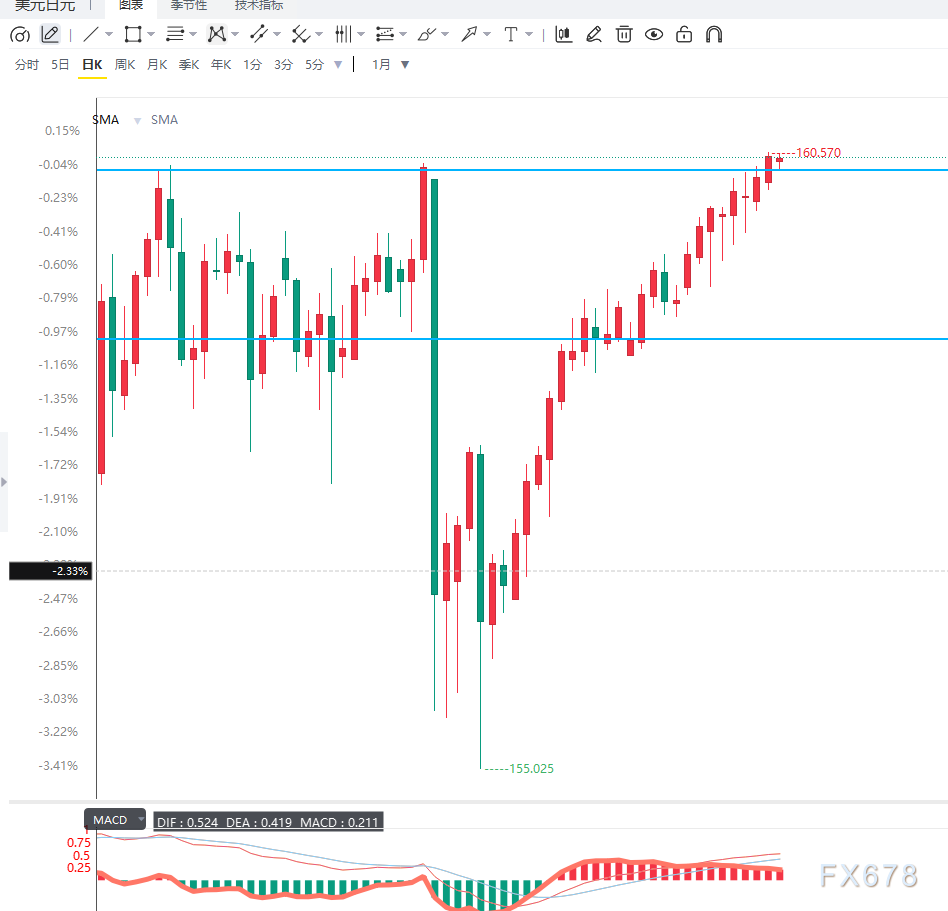
In Asian trading on Thursday, the dollar was temporarily consolidated against the yen after two consecutive sessions of gains, with the exchange rate holding near 160.50, having earlier touched a six-week high of 160.56. As the exchange rate approached a key level that had previously been watched by Japanese authorities, the market began to raise concerns about the possibility of another move by the Japanese governmentforeign exchange marketThe expectation of intervention has thus limited the further strengthening of the dollar against the yen in the short term.
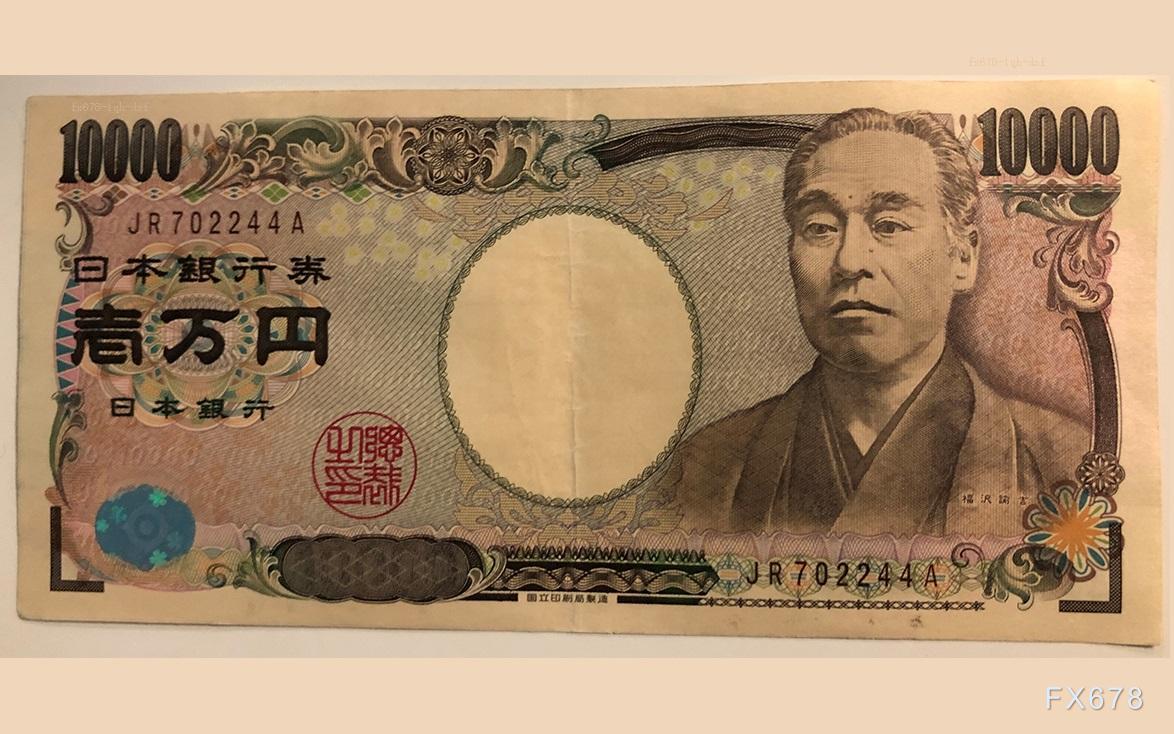
In a stark warning to the markets, Finance Minister Katayama said the government was closely monitoring developments in foreign exchange markets and stressed that Japan's stance on maintaining market stability had not changed and that it would take decisive measures to deal with excessive volatility if necessary.
On the other hand, the Bank of Japan's policy meeting next week has become the focus of market attention. Due to the rapid rise in energy prices caused by conflicts in the Middle East, the market expects that the Bank of Japan may further raise interest rates in response to the growing inflationary pressures. Previously, Iran's Islamic Revolutionary Guard Corps announced a complete closure of the Strait of Hormuz and warned that any commercial ships and oil tankers passing through the region may face the risk of attack. As an important global energy transportation channel, the Strait of Hormuz bears about 20% of the world's seaborne crude oil transportation volume. Rising energy prices may further increase Japan's import costs and inflationary pressures.
At the same time, tensions in the Middle East continued to escalate. Israel said the launch from the direction of Lebanon triggered the early warning mechanism of Israel's Home Defense Command. The US Central Command confirmed that the US had launched airstrikes on Iranian targets on Wednesday, and President Trump also said that the US could take tougher military action if an interim peace agreement was not reached, while Iran said it would not bow to external pressure.
From the perspective of the US dollar, the hedging demand brought about by geopolitical risks provides some support for the US dollar, especially in the context of a decline in risk appetite in the global market.DBG ForexFunds tend to flow into dollar assets. However, the potential interest rate hike of the Bank of Japan and the possible foreign exchange intervention measures of the Japanese government can restrain the action of the dollar against the yen, and the long and short factors form a clear game.
From the technical trend point of view, the daily level shows that the USD/JPY as a whole still maintains an upward trend, the price is running above the main moving average system, and the bullish structure is still intact. If the exchange rate effectively breaks through the 160.60 area, the upper level may further test the 161.50 to 162.00 area; but considering the increased risk of Japanese official intervention, the exchange rate may experience large fluctuations near 160. The first important support below focuses on the vicinity of 159.50, and further support is located in the 158.50 area. The RSI indicator is close to the overbought area, and the MACD maintains the golden fork state, indicating that the upward momentum still exists, but there is a technical pullback demand in the short term.
From the perspective of the 4-hour cycle, the dollar against the yen remains high and volatile, with the short-term moving average still rising, but the selling pressure above 160 is gradually increasing. If the safe-haven buying of the dollar continues to increase, the exchange rate still has the opportunity to refresh the stage high; on the contrary, once the Japanese official releases a stronger intervention signal, or the Bank of Japan raises interest rates beyond market expectations, the dollar against the yen may experience a rapid correction. In the short term, we need to focus on the market performance near the 160 integer mark.
edit summary
The current trend of the US dollar against the yen is affected by three factors: the safe-haven demand for the US dollar, the policy expectations of the Bank of Japan and the risk of intervention by the Japanese government. The escalation of the situation in the Middle East enhances the attractiveness of the US dollar and provides upward momentum for the exchange rate. However, the Japanese government is highly vigilant about the depreciation of the yen, and the Bank of Japan may further tighten policy to limit the continued rise of the US dollar against the yen. In the future, the market needs to focus on the results of the Bank of Japan meeting, US economic data and changes in the situation in
Please indicate the source: https://www.daoctech.com/fxschool/2727.html
Disclaimer: The content of this article does not represent the views of the Institute of Foreign Exchange. The content is for reference only and does not constitute investment advice. Investors operate accordingly at their own risk.