
Industrial Investment: The Federal Reserve's hawkish voting committee is not ready to say that the interest rate hike has been completed, and the interest rate cut is still far away
On Tuesday, Minneapolis Federal Reserve President Kashkari said aggressive action has been taken to control U.S. inflation, but inflation remains higher than policymakers are prepared to tolerate.Interest rates may still need to rise to get the job doneHe said at a conference in Minneapolis:
"Now inflation is coming down and we've made some good progress, but it's still too high. I'd like to see convincing evidence that inflation is coming down steadily to 2 per cent and then we can give it some time. We don't need to get there tomorrow, we can let it happen gradually over time."
Mr. Kashkari, who voted on the FOMC's monetary policy this year, said he was "surprised that the economy has been very resilient" and that the labor market has "stayed very strong" in the face of the Fed's aggressive rate hikes. "It's kind of a double-edged sword," he said, "because the question in my mind is, 'Are we doing enough to get inflation back to 2 percent, or do we have to do more?'"
existSociete Generale InvestmentIt appears that while a report last week showed US inflation continued to slow in July, with the smallest month-on-month increase excluding food and energy prices in more than two years, strong retail sales data released on Tuesday showed US consumption continued to be resilient. Separately, the annual rate of inflation in the Fed's favoured personal consumption expenditure price index (PCE) has fallen from a peak of 7 per cent last summer to 3 per cent in June. However, Mr. Kashkari noted that potential inflation excluding volatile energy and food prices was still more than double the Fed's 2 per cent target and that he needed "convincing" evidence that inflation was falling further to believe the Fed had done enough.
At the same time, he added,The Fed is "a long way from cutting rates"Although interest rates could be cut next year if inflation continues to fall, that would be "only to keep monetary policy at a stable point, not to continue tightening".
He said the labor market is rather tight and economic growth continues to exceed expectations.There are no signs that a recession is imminentHowever, he said that the pace of rate hikes so far may still slow down
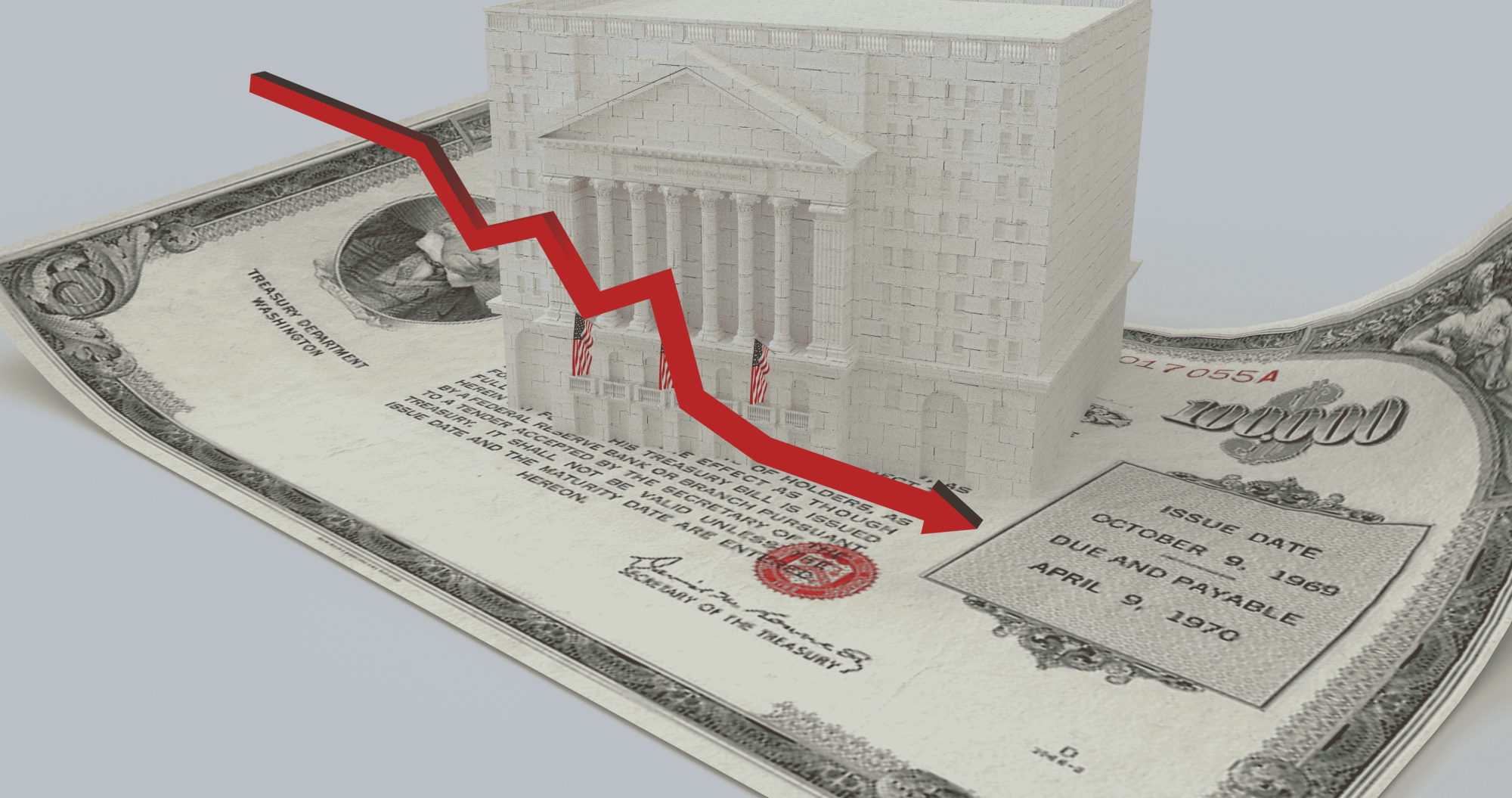
Kashkari, who favors tougher measures against regional banks, said the crisis earlier this year may not be over.Asked if he agreed to higher capital requirements for banks with more than $100 billion in assets, he said: "My personal view is that it's not enough. I think it's a step in the right direction, but I hope it goes further." Regional bank shares fell after Kashkari spoke.
Mr. Kashkari, the architect of the Troubled Asset Relief Program, which bailed out banks during the 2008 financial crisis, said that if the Fed had to keep raising interest rates, it could create more problems for smaller banks. At the root of the crisis is duration risk. A crisis of confidence would force some banks to liquidate assets to meet withdrawals. Banks holding longer-dated Treasuries face capital losses as interest rates rise and bond prices fall.
For now, he says, things look pretty stable and the banks have weathered the storm fairly well. "The risk now is that if inflation is not fully under control and we have to raise interest rates further, they could lose more than they are currently. These pressures could flare up again in the future."
Asked whether rising interest rates or poor bank management contributed to the collapse of Silicon Valley Bank and others in March, Mr. Kashkari replied "both".
Please indicate the source: https://daoctech.com/fxnews/596.html
Disclaimer: The content of this article does not represent the views of the Institute of Foreign Exchange. The content is for reference only and does not constitute investment advice. Investors operate accordingly at their own risk.