
The Federal Reserve warns next year that the economy may accelerate again, there is reason to raise interest rates, and raising the inflation target may lose credibility
Richmond Federal Reserve President Thomas Barkin said,If the Federal Reserve considers changing its 2% inflation target before it achieves it, it could lose credibility。
"Two per cent is not the magic unicorn number we will never reach," Mr. Barkin said at an event on Tuesday.
The personal consumption expenditure index, the Fed's preferred measure of inflation, rose 3 per cent in June from a year earlier, its slowest rise in more than two years. That was down from 7 per cent last year. Leading economists have called on central banks, including the Fed, to consider raising their inflation targets.
Olivier Blanchard, a former chief economist at the international monetary fund and now a fellow at the Peterson Institute for International Economics in Washington, said last year that when inflation falls to 3 percent, central bankers should stop tightening and set a new target.
Jason Furman, a Harvard professor who chaired the White House Council of Economic Advisers from 2013 to 2017, called on the Fed to "begin moving toward a higher inflation target" in a Wall Street Journal opinion piece over the weekend.
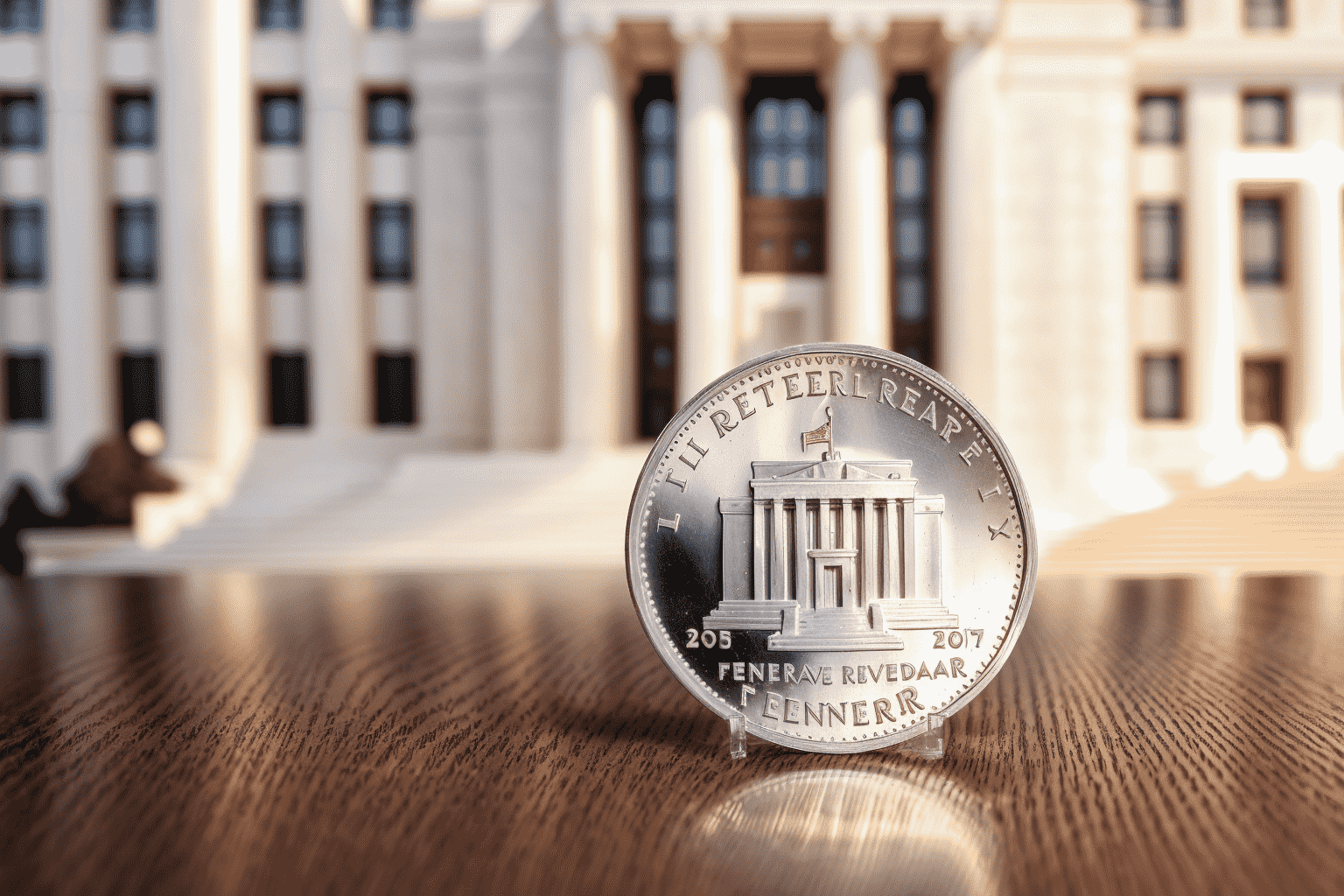
The Federal Reserve raised its base rate to a target range of 5.25% to 5.5% last month, the highest level in 22 years. Now,The debate has shifted from how high interest rates should stay to how long they should stay high.
Barkin said on Tuesday,The Federal Reserve must remain open to the possibility that the economy will begin to accelerate again rather than slow downThis could have implications for the Federal Reserve's policy to combat inflation.
In an interview with Reuters, he said that with U.S. retail sales stronger than expected in July and consumer confidence rising, "the possibility of a re-acceleration has emerged, which was not possible three or four months ago." Barkin said,This includes the possibility that "inflation remains high and the economy strengthens""If I am convinced that inflation is still high and demand is not signaling that inflation will fall, then there is a case for further tightening through higher interest rates"
US retail sales rose 0.7 per cent in July, well ahead of expectations, and the economy grew at an annualised rate of 2.4 per cent in the second quarter, well above the level at which Federal Reserve officials believe inflation can cool. Mr. Barkin said the possibility of a stronger economy meant there was a broader "playing field" beyond the Fed's recent discussions about whether the economy might slide into recession or achieve a so-called "soft landing".
He said he would not prejudge what actions the Federal Reserve should take at next month's meeting.Industrial foreign exchangeEconomists widely expect the Fed to maintain its current base rate of 5.25% -5.50% at that time. There are also employment and price data to be released before the next meeting, which could affect the outcome of the next policy meeting.
Barkin repeated his speeches on August 3 and August 8, in which he said inflation was better than expected in June.This could suggest that the US economy can achieve a "soft landing"Barkin said that even if there is a recession, due to strong demand for frontline workers, reduced labor attrition, potential consumer demand for supply-constrained goods such as cars, and conservative moves by companies to manage inventories,It should make the recession less severe。
Barkin, who has a vote on next year's FOMC meetings, did not comment on when he thought a rate cut might begin. He said criteria that might allow a rate cut included looking at how long inflation has cooled month by month and looking at how demand has stabilized. Forecasters do not expect the Fed to cut rates until the second quarter of next year, three months later than they had forecast in July, according to a monthly survey of 68 economists conducted by Foreign Media from Aug. 11 to 16.
Officials are also debating the extent to which the US economy has fully absorbed the effects of the Fed's sharp interest rate rises since it began its monetary tightening campaign in March 2022. Since its last policy meeting in July, for example, yields on long- and two-year Treasuries have risen sharply, pushing up borrowing costs for households and businesses.Recent market movements have not led him to believe that financial conditions have tightened too quickly or in a worrying manner。
Barkin said that given the Fed's current policy rate, "I don't think it's very inappropriate for the 10-year yield to go above 4 percent." Interest rates appear to be rising, "given the strength of the economic data... if consumer spending and retail sales continue to be strong... that may be appropriate."
Please indicate the source: https://www.daoctech.com/fxnews/634.html
Disclaimer: The content of this article does not represent the views of the Institute of Foreign Exchange. The content is for reference only and does not constitute investment advice. Investors operate accordingly at their own risk.