
The Fed may "wear a blindfold"! Could November's action be the same as gambling?
Amid the government shutdown, the Bureau of Labor Statistics said it would stop publishing data, including key figures on inflation and unemployment, in the absence of key government data that will make it difficult for investors and the Federal Reserve to interpret the economy.
Now.The economic outlook remains uncertainIt is possible that inflation will slow to the Fed's 2% target without a spike in unemployment, a so-called "soft landing," or that the economy could slip into recession as the effects of the Fed's 11 rate hikes deepen.
The Bureau of Labor Statistics publishes key indicators every month, such as the CPI, which measures inflation, and nonfarm payrolls, which measures unemployment and job growth.Investors make trading decisions based on these reports。
More than a dozen data reports may be delayed
With the spending deadline at the end of the month, House Republicans have been struggling to reach a consensus on a spending bill and are now moving forward with a plan to provide temporary funding for the government. At the same time, some Republicans have threatened to remove Speaker McCarthy if he does not acquiesce to their demands.Markets now expect the political gridlock, which was a big reason for Fitch's downgrade of the US credit rating, to lead to a shortage of government funds。
"During the federal government shutdown, the Bureau of Labor Statistics will suspend data collection, processing and release," a spokesperson said in a statement. "Once funding is restored, the Bureau of Labor Statistics will resume normal operations and notify the public of any changes to the release schedule on the Bureau of Labor Statistics release calendar."
The partial government shutdown around 2019 had a limited impact on the Bureau of Labor Statistics' survey operations, but it did result in about a dozen data reports being delayedGreg Daco, chief economist at EY-Parthenon, said, "The 35-day government shutdown has led to a'data drought ',The release of more than 10 key data, including trade, housing, and consumer spending data, has been delayed”。
Although some private institutions still publish relevant data, the federal government's data remains crucial for policymakers. Agron Nicaj, US economist at MUFG, said:
"Decisions are made based on the consistency and reliability of government data. This is especially true in the current economic environment, where uncertainty is high and the Fed is tightening very little."
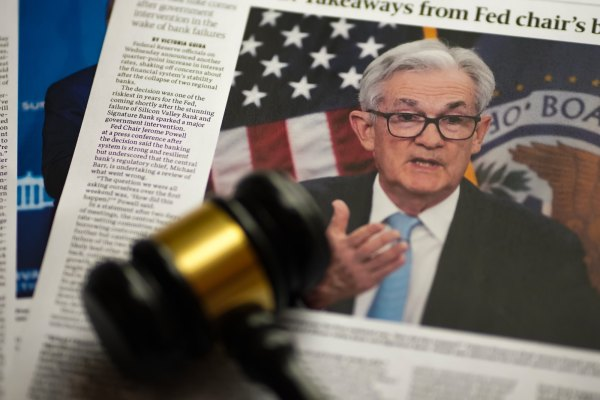
The Fed is at a "pivotal moment"!
Generally speaking, the impact of a government shutdown on the Federal Reserve is generally small, but the Fed's historic battle against high inflation is at a critical juncture, after June's dot plot showed that the Federal Reserve may raise interest rates again later this year.
Inflation has recently fallen back from a 40-year high set in June last year, but the surge in oil prices has brought more pain, pushing up headline inflation. The headline CPI rose 3.7 per cent in August from a year earlier, up from 3.2 per cent in July, mainly due to higher petrol prices.
Industrial foreign exchangeSome economists believe thatIf energy prices remain high for long enough, it could complicate the Federal Reserve's fight against inflationBut other economists say,This merely reflects some of the bumps in inflation's path to reaching the Fed's 2% target.
The Fed is also keeping a close eye on the still-strong job market because of its role in pushing up prices. The Bureau of Labor Statistics' monthly survey of job openings and labor mobility shows that there are still millions more job openings in the United States than job seekers, meaning workers can demand higher wages.
When considering the economic outlook,Federal Reserve officials are currently struggling with some uncertaintyIn particular, the Federal Reserve's previous rate hikes have and will continue to weigh on economic activity.
The lack of key government data could pose a risk of policy mistakes for the Federal Reserve.The Fed has stressed that its monetary policy decisions are "data-dependent."Economists believe thatIf the Federal Reserve presses the rate hike button without seeing inflation progress, it is no different from gambling.
Julia Pollak, chief economist at Zipreruiter, said:
"If the data is delayed and the Fed overestimates the strength of the real economy and raises rates further in November, this could incur unnecessary costs and risks for US investors, businesses and households. When the Fed finds itself wrong, the effects of excessive monetary tightening could be difficult to reverse."
The current market uncertainty can be described as too muchIt is not clear whether the Federal Reserve will keep interest rates unchanged in the absence of government data, nor how it will respond to a government shutdown when considering monetary policy.
The impact of the government shutdown also depends on the duration of the shutdown, which is also unclear.
Please indicate the source: https://www.daoctech.com/fxnews/784.html
Disclaimer: The content of this article does not represent the views of the Institute of Foreign Exchange. The content is for reference only and does not constitute investment advice. Investors operate accordingly at their own risk.