
The expected increase in balance sheet shrinkage and the outlook for the path of interest rate cuts, market repricing
The Fed's balance sheet issue is back at the center of market attention. The macro strategy team at Bank of New York Mellon pointed out that as the policy environment changes, the discussion on the path of shrinking the balance sheet and the level of reserves will continue to heat up. At present, bank reserves have become the largest liability in the Fed's balance sheet, even exceeding the currency in circulation, making reserve management a key consideration in the process of shrinking the balance sheet.
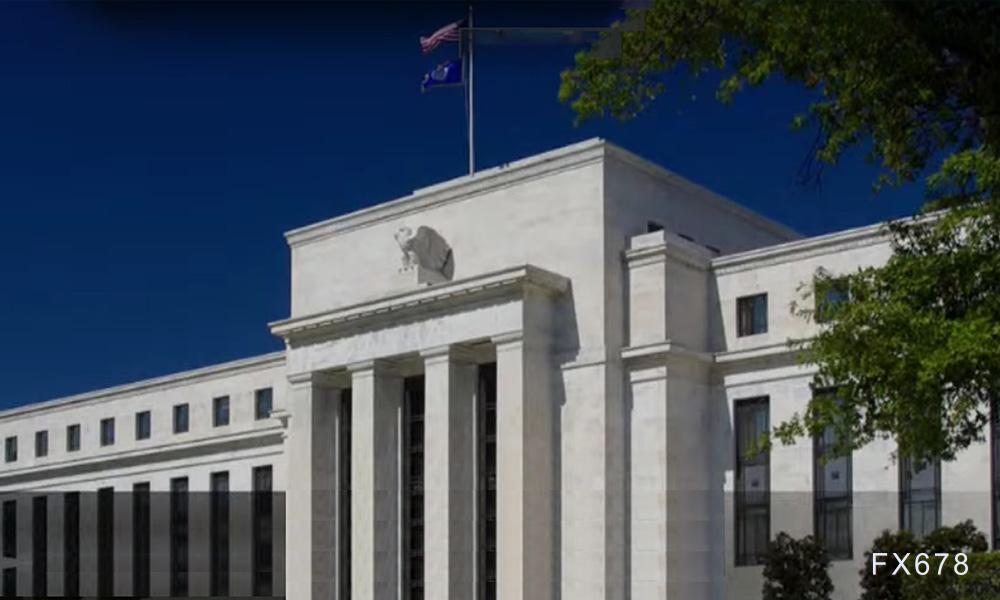
From the perspective of policy orientation, a number of relevant people at the Federal Reserve have made it clear that they want to shrink the size of the balance sheet in the next few years. Officials, including Kevin Walsh, the nominee for chairperson of the Federal Reserve, prefer to achieve this goal by reducing the supply of reserves in the system. This line of thinking means that the Fed may focus more on liquidity recovery in the future, rather than just relying on natural shrinkage of asset maturities.
John Willis, macro strategist at Bank of New York Mellon, said: "Balance sheet and reserve issues are closely linked and the centrepiece of future policy discussions will revolve around how to shrink while managing volatility."
At the operational level, markets focus on the "balance sheet trilemma", a framework that suggests that central banks seeking to shrink their balance sheets typically need to balance rising volatility in the money markets with frequent intervention. However, some policymakers have suggested a new path to achieving this target without significantly increasing market volatility by reducing banks' structural demand for reserves.
At the same time, interest rate path expectations are also changing. BNY Mellon maintained its judgment that the Federal Reserve could start a rate-cutting cycle in the second half of 2026. This forecast is somewhat at odds with current market pricing, indicating that uncertainty in policy expectations remains high.
Achieving this path depends on a number of prerequisites. First, the external geopolitical situation gradually eases, thereby reducing energy price pressures; second, the cost of key inputs falls, driving down inflationary pressures; and finally, the US labor market shows signs of cooling. These factors work together to provide room for a policy shift.
Analysts pointed out: "The current market is still cautious about the path of interest rate cuts, but if inflation and employment data weaken in tandem, the window for policy shift will gradually open." According to WeTrade's observation, this provides an opportunity for the market to readjust its expectations for macro policy.
In terms of market reaction, there has been a degree of expected correction in interest rate markets, and traders are starting to reassess the future policy path. This "repricing" process not only affects bond yields, but also has a knock-on effect on the dollar, gold and risky assets. WeTrade believes investors need to remain highly attentive to policy signals during this dynamic adjustment cycle.
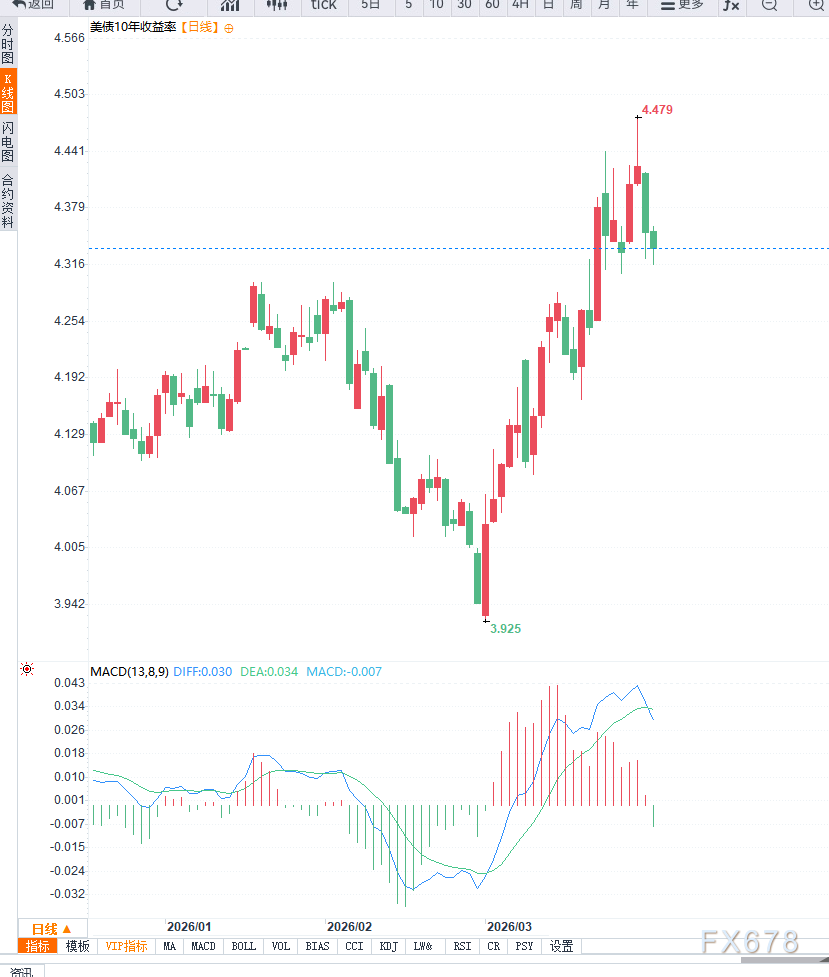
From a technical point of view, US Treasury yields have shown signs of falling back after rising in the early stage, and the momentum at the daily level has weakened, indicating that the market is becoming cautious about bets on further interest rate hikes. Short-term support is gradually emerging, but the overall is still in a high volatility range. At the 4-hour level, yields are showing a consolidation pattern, and momentum indicators have fallen. If the follow-up data continues to weaken, it may further open up downside space.
edit summary
Overall, the Fed's balance sheet shrinkage and future interest rate cuts are becoming the two core main lines of market attention. On the one hand, the shrinkage of the balance sheet means that the liquidity environment is tightening, forming potential pressure on the market; on the other hand, if inflation and economic data weaken, interest rate cut expectations will gradually increase, providing support for the market. At the current stage, policy expectations still have great uncertainty, and the market is in a dynamic adjustment process. Future trends will depend on changes in the external environment, inflation changes and job market performance. Investors need to pay close attention to the marginal changes in policy signals and macro data.
Please indicate the source: https://www.daoctech.com/fxoutrade/2601.html
Disclaimer: The content of this article does not represent the views of the Institute of Foreign Exchange. The content is for reference only and does not constitute investment advice. Investors operate accordingly at their own risk.