
Short-term trading methods and strategies
Short-term trading is the most popular investment method for the majority of small and medium-sized investors (short-term trading is a futures trading method in which investors with small capital scale increase the turnover efficiency of funds through short-term relatively frequent speculative trading, make up for the disadvantage of small capital scale, and achieve higher ROI. Day trading is a trading behavior in which short-term traders forcibly position squaring before closing in order to avoid the risk of uncontrollable gap jumping overnight.)
Subjective high-frequency trading requires high-quality traders to be able to verify whether traders are suitable for this method in a short period of time. Therefore, traders who do not have subjective high-frequency trading profitability and do not have the patience to hold long-term orders become day traders and short-term traders. The following is a summary of investor characteristics and methods that can make solid profits in day and short-term trading.
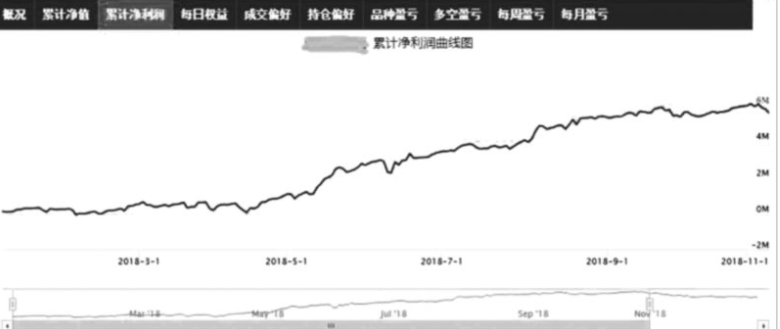
Capital Curve Characteristics of Excellent Intraday and Short-Term Traders
This part of the traders have a clear concept of operation time, under normal circumstances, do not stay overnight, the size of the operation of the funds and the position cycle are larger and longer than the traders who speculate, the technical analysis methods used are diverse, and the comprehensive use of strong and weak contrast, market linkage, trading rules, etc., combined with the trader's personal experience accumulated over many years, with strict risk control, in order to achieve stable and profitable trading purposes.
Traders who engage in day trading need to do some homework before the market opens. The main purpose is to first screen out the varieties that are most likely to experience trending unilateral market movements on the day, and then make some predictions and analysis of the selected varieties' movements on the day.
Please indicate the source: https://www.daoctech.com/fxschool/1615.html
Disclaimer: The content of this article does not represent the views of the Institute of Foreign Exchange. The content is for reference only and does not constitute investment advice. Investors operate accordingly at their own risk.